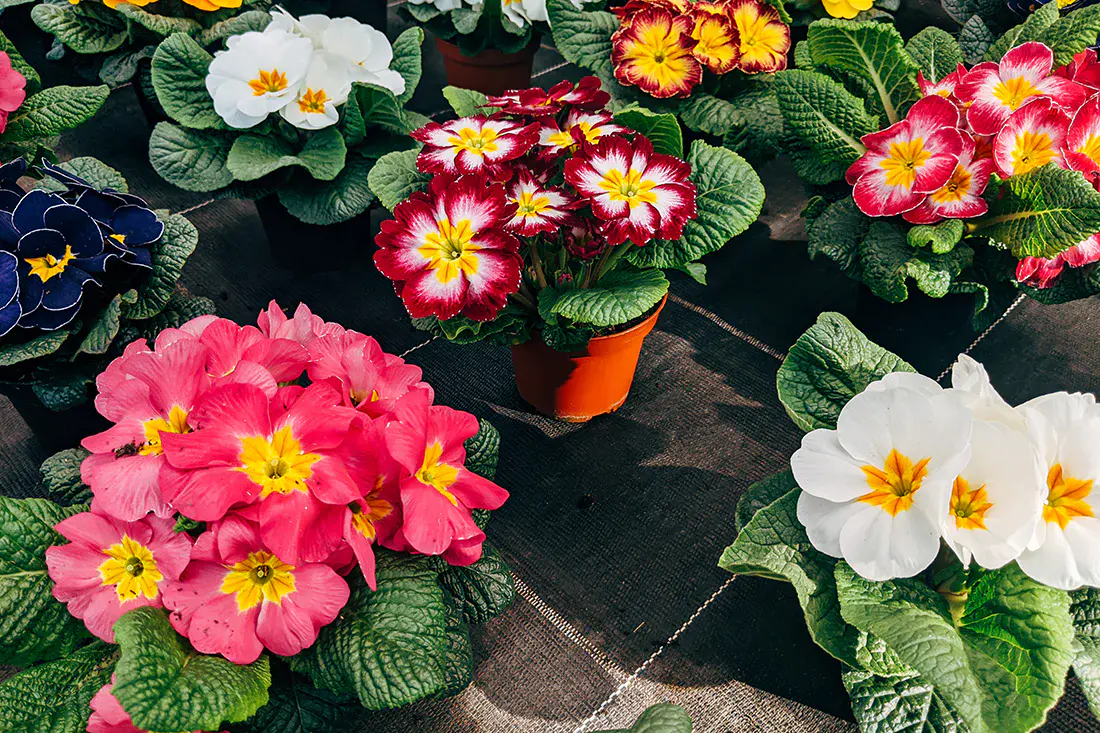
1. **Plan Your Garden Design**
A well-thought-out garden design is crucial for creating a visually appealing landscape. Start by sketching a layout of your garden space. Consider the following elements:
**Color Schemes**: Choose a harmonious color palette for your flowers and foliage. Bold, bright colors can create a vibrant look, while soft pastels offer a more serene vibe.
**Plant Height and Texture**: Mix plants of varying heights and textures to add depth and interest. Tall plants at the back, medium-sized in the middle, and shorter ones at the front create a layered effect.
**Focal Points**: Incorporate eye-catching elements such as a water feature, garden statue, or a striking tree to serve as focal points.
2. **Select the Right Plants**
Choosing the right plants for your garden is essential for ensuring they thrive during the summer months. Opt for heat-tolerant, drought-resistant plants that can withstand the summer sun. Some popular choices include:
**Lavender**: Known for its fragrant blooms and ability to attract pollinators, lavender is both beautiful and functional.
**Salvia**: This vibrant flower comes in various colors and is perfect for adding a pop of color to your garden.
**Succulents**: Ideal for hot climates, succulents require minimal water and come in a range of interesting shapes and colors.
3. **Create a Watering Schedule**
Consistent watering is crucial for maintaining a healthy garden, especially during the hot summer months. Water your plants early in the morning or late in the evening to minimize evaporation. Deep watering is more effective than frequent, shallow watering, as it encourages roots to grow deeper and become more resilient.
4. **Mulch for Moisture and Weed Control**
Applying a layer of mulch around your plants helps retain moisture, reduce weed growth, and maintain a consistent soil temperature. Organic mulches, such as bark chips, straw, or compost, are excellent choices that also improve soil quality as they decompose.
5. **Incorporate Garden Accessories**
Enhance the beauty of your garden with well-placed accessories. Garden ornaments, decorative pots, and outdoor furniture can add personality and charm to your space. Solar-powered garden lights are a great addition, providing illumination and highlighting your garden’s features even after the sun sets.
6. **Prune and Deadhead Regularly**
Regular pruning and deadheading (removing spent flowers) encourage new growth and prevent your garden from looking overgrown. Pruning helps shape plants, promotes healthy growth, and can even improve flowering. Keep an eye on your plants and trim as needed to maintain a tidy appearance.
7. **Attract Wildlife**
A garden teeming with birds, butterflies, and beneficial insects adds life and movement to your outdoor space. Plant native flowers that produce nectar, set up bird feeders, and include a birdbath to attract and support local wildlife. Not only does this create a dynamic and engaging garden, but it also helps with pollination and pest control.
8. **Add Edibles**
Integrate edible plants into your garden for a beautiful and functional space. Herbs like basil, rosemary, and thyme can be both decorative and useful in the kitchen. Vegetable plants like tomatoes and peppers add color and provide fresh produce throughout the summer.
9. **Maintain Your Lawn**
A lush, green lawn is the perfect backdrop for your vibrant garden. Regular mowing, watering, and fertilizing keep your lawn looking its best. Consider using organic fertilizers to promote healthy growth without harmful chemicals.
10. **Embrace Vertical Gardening**
Maximize your garden space by incorporating vertical gardening techniques. Use trellises, hanging pots, and vertical planters to grow climbing plants like ivy, jasmine, or clematis. This not only saves space but also adds an extra dimension to your garden design.
By following these summer gardening tips, you’ll be well on your way to creating a stunning, eye-catching garden that enhances your home’s exterior. With careful planning, the right plant choices, and a bit of regular maintenance, your garden will be the talk of the neighborhood and a true reflection of your personal style.
—
By implementing these strategies, you can enjoy a beautiful, thriving garden all summer long. Happy gardening!